Cutting through the AI noise in ERP: a Q&A with Gary Brookshaw

Lumenia ERP HEADtoHEAD™ Guest Q&A with Gary Brookshaw, Product Director at Intact Software We caught up with Gary Brookshaw, Product Director at Intact Software, to explore how AI is being embedded into today’s business systems – and asked him to share some practical examples of how it’s helping teams with everyday tasks. 

Q: Everyone’s talking about AI right now. What’s your take – is it really changing how ERP systems work?

Gary: It is – although perhaps not in the headline-grabbing ways people expect. There’s been a lot of hype, but the real value of AI lies in improving everyday tasks. It’s not about replacing people. It’s about helping your team by handling repetitive work – flagging issues, suggesting next steps, and highlighting useful insights – so they can focus on the things that really need their attention.

Q: Where are we seeing AI show up in ERP in a meaningful way?

Gary: One of the most impactful areas is information handling. ERP systems already contain a huge amount of data, but traditionally you’ve had to dig for it. AI can now highlight what’s relevant – such as changes in customer behaviour, recent requests, or products that haven’t been reordered in a while – without running multiple reports. AI is also able to handle vague customer requests that would normally need manual follow-up. Think of an email saying, “Can you send the next part of my order?” – or even a handwritten note passed across the counter. AI can identify the customer, work out the context, and prepare a draft order for review. It saves your team time – and helps you respond quickly and accurately, keeping customers happy. 

Q: And in areas like stock and purchasing?

Gary: That’s another area where AI is having a real impact. Traditional forecasting uses set formulas and rules – AI goes further by analysing sales patterns, supplier lead times, seasonal shifts, and more. It gives your purchasing team sharper, more timely suggestions that would be impossible to generate manually.  

Q: Some businesses worry that adopting AI means a big change. Is that the case?

Gary: It shouldn’t be. With GenetiQ, we’ve focused on building AI directly into the system, rather than bolting it on afterwards. That means users don’t have to learn new tools or systems – AI insights simply appear at the right time, in the right place. Whether you’re quoting, planning, or reviewing dashboards, the support is just there in the flow of your work. I can’t speak for other systems, but our aim has always been to make AI feel like a natural extension of the tools people already use every day.  

Q: Can you give a few practical examples of how GenetiQ is using AI right now?

Gary: Sure. One great example is AI Insights. You can access it straight from customer or product screens, and it blends your internal data with publicly available information to give you a fuller picture in seconds. Say you’re preparing for a customer call or investigating a product that’s dipped in sales – AI Insights can instantly pull together key trends, figures, and context to help you make faster, better-informed decisions. There’s also smart automation at work in Accounts Payable. When setting up a new supplier, GenetiQ now creates invoice templates automatically – replacing what used to be a manual process of mapping out key invoice details. It’s a small change that removes setup delays and gives finance teams more time to focus on other tasks.

Q: What else should businesses be thinking about when it comes to AI in ERP?

Gary: It’s worth asking whether your system has been built with AI in mind – or if it’s something that’s just been added on later. Some older systems simply won’t be able to take advantage of newer AI capabilities, which means you could be missing out without even realising it. You also need to think about how your data is handled. Is it secure in the cloud? Is your system designed to keep control of how AI is used, and where that data goes? And as AI continues to evolve, can your system evolve with it? You want something that’s flexible enough to connect to new technologies, scalable as your needs grow, and backed by a clear roadmap so you’re not left behind.

Q: You recently ran a showcase session at the ERP HEADtoHEAD. How did it go?

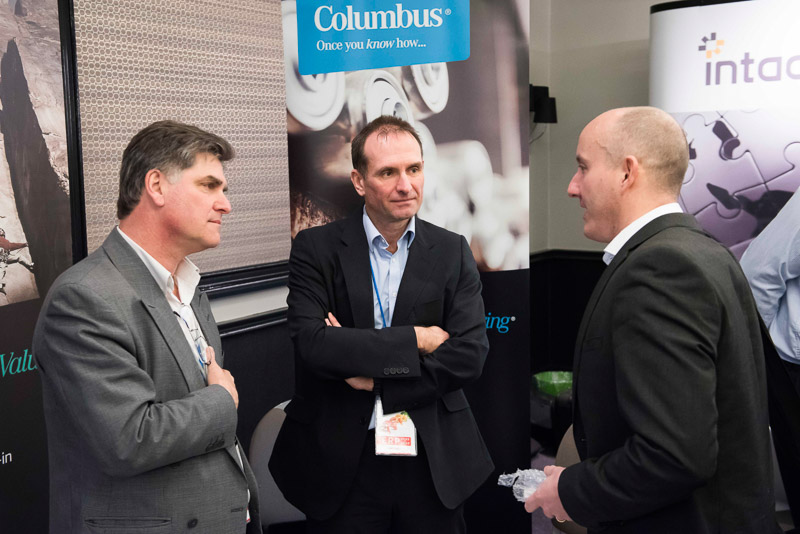
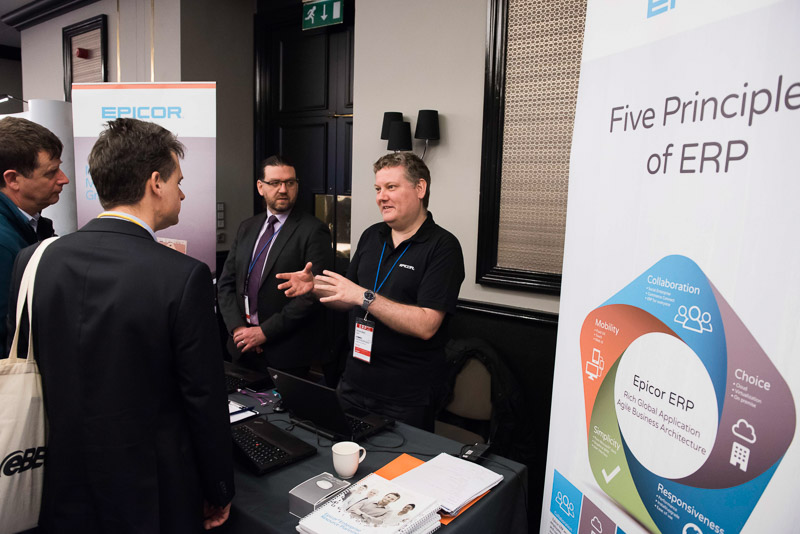
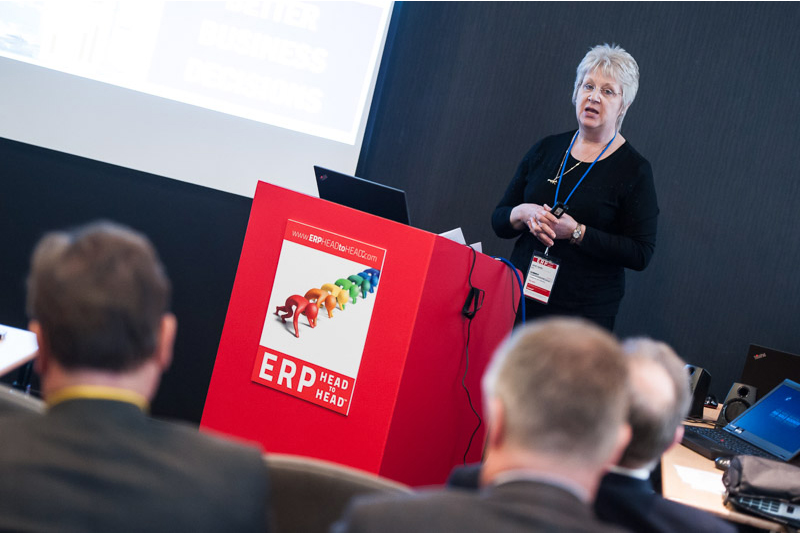
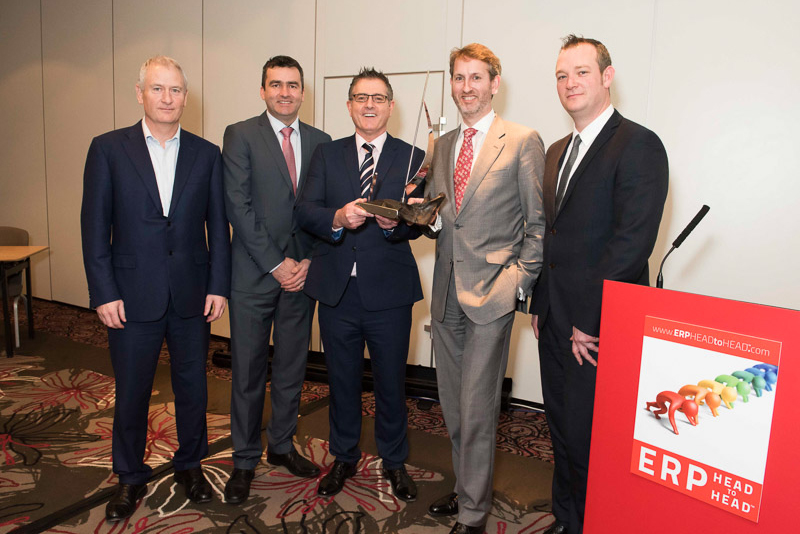
Gary: It went really well. Our session, “Start Confident: GenetiQ’s People-First Onboarding & Personalisation,” really struck a chord with attendees. We wanted to show that ERP implementation doesn’t have to be daunting – and how our approach helps businesses get up and running with confidence. We showed how GenetiQ’s role-based setups, configurable screens, and step-by-step inline help guide users from day one – supported by our Centre of Excellence checkpoints and a phased rollout that delivers early wins without disruption. Overall, it was a fantastic two days. We were delighted to finish on the podium – second place overall out of 14 ERP vendors for Best Vendor Presentation – with strong engagement across both demo sessions.  

Q: And for anyone who couldn’t attend — what’s the best way to learn more?

Gary: The best place to start is our GenetiQ product page. We’re also running a series of deep-dive sessions – covering topics like helping sales teams work faster and sell smarter, and mastering pricing and product management. These sessions are a great way to see how GenetiQ works in real-world scenarios – and to pick up practical ideas for improving different parts of your business with the latest technology.

Final Thoughts

AI isn’t here to replace your team – it’s here to support them. Whether it’s highlighting trends, handling vague requests, improving forecasts, or guiding onboarding, it’s already changing how ERP works in day-to-day roles. What matters is choosing a system that’s designed to make those capabilities easy to use, right where you need them.

If you missed us at the ERP HEADtoHEAD, keep an eye on our socials for upcoming events.

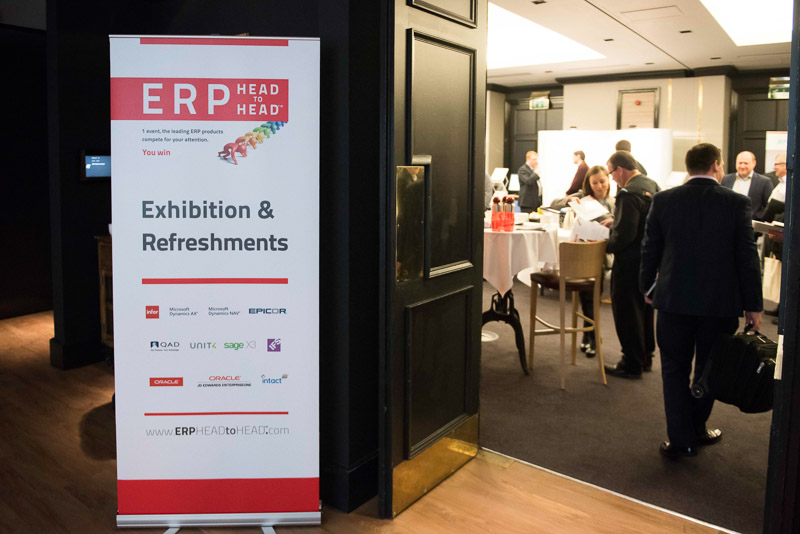
Lumenia ERP HEADtoHEAD event

The ERP HEADtoHEAD™ event offers a unique opportunity to see the leading ERP products pitted against each other over two days. The events are run annually in Ireland and the UK.